Supplements
Creatine
I want to start with creatine because of the significant impact it can have on training. Among all available supplements, creatine stands out as one of the most effective for improving workout performance and supporting strength gains.
Creatine works by increasing the amount of phosphocreatine stored in your muscles, which helps your body quickly produce ATP—the main energy source used during short, intense efforts like weightlifting. With more ATP available, your muscles can contract harder and longer, allowing you to train with greater intensity and recover faster between sets.
For beginners, creatine is especially useful because it helps your muscles produce energy more efficiently during high-intensity exercise like lifting weights or sprinting. This means you may be able to perform a few extra reps, lift slightly heavier weights, or recover faster between sets—all of which add up to better progress over time. Creatine is also one of the most researched supplements available, with strong evidence supporting both its effectiveness and safety when taken as recommended. Simply put, it helps you get more out of your workouts while you build strength and confidence in the gym.
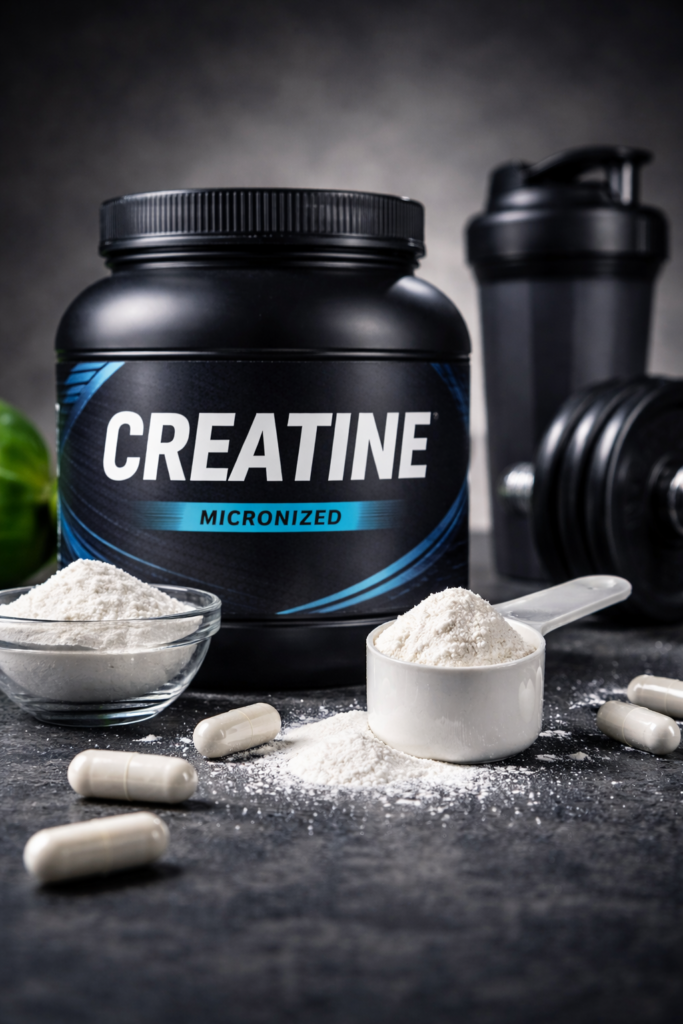
Common types of creatine and their differences:
Creatine Monohydrate: The most researched and effective form. Proven to improve strength, power, and muscle mass; affordable and safe for long-term use.
Creatine HCL (Hydrochloride): More soluble in water and often marketed as easier on digestion, though not proven to be more effective than monohydrate.
Buffered Creatine (Kre-Alkalyn): Designed to resist breakdown in the stomach, but research shows no clear advantage over monohydrate.
Creatine Ethyl Ester: Marketed for better absorption, but studies suggest it’s less stable and not superior to monohydrate.
Micronized Creatine: Creatine monohydrate with smaller particles for easier mixing; effectiveness is the same as standard monohydrate.
Bottom line: Creatine monohydrate remains the gold standard due to its proven effectiveness, safety, and cost-efficiency.
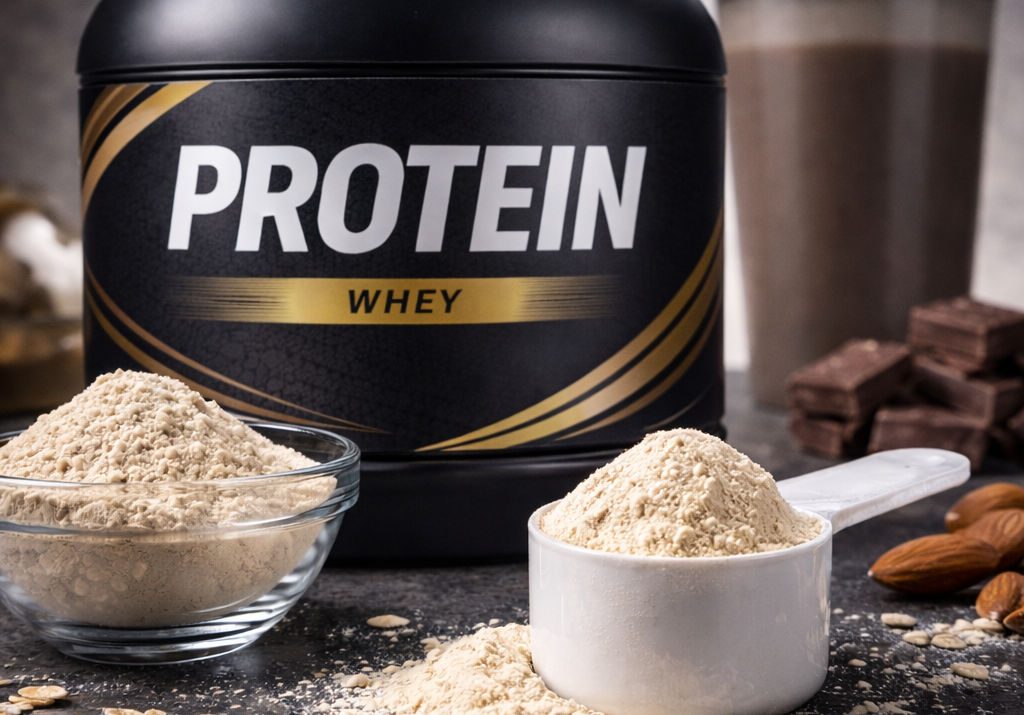
Protein
Why take a protein supplement?
Protein supplements help people meet their daily protein needs when food alone isn’t enough. They’re especially useful if you train regularly, have a busy schedule, or struggle to hit protein targets through whole foods. Adequate protein supports muscle recovery, growth, and overall performance, making supplements a convenient and reliable option. They also help maintain lean muscle during fat loss phases and support general health by contributing to satiety and tissue repair.
Common types of whey protein:
Whey Protein Concentrate: Contains protein along with small amounts of carbs and fats; affordable and effective for most people.
Whey Protein Isolate: Higher protein content with minimal carbs and fat; easier to digest and lower in lactose.
Clear Whey Protein: A lighter, juice-like protein option that’s refreshing and easy to drink, especially post-workout.
What is whey protein?
Whey protein is a high-quality protein derived from milk during the cheese-making process. It’s rich in essential amino acids, particularly leucine, which plays a key role in muscle protein synthesis. Because it digests quickly and is well-researched, whey is one of the most popular protein supplements. Common alternatives include plant-based proteins (pea, rice, soy), casein protein (slow-digesting, ideal before bed), and egg protein, each offering different digestion speeds and benefits depending on dietary needs and preferences.

Vitamin D
Vitamin D plays a crucial role in muscle function, strength, and recovery, making it especially important for people who train regularly. It helps regulate calcium and phosphorus absorption, which directly supports bone density and skeletal strength—key factors for safely handling heavy loads and repetitive stress in the gym. Adequate vitamin D levels are also linked to improved muscle contraction, coordination, and neuromuscular efficiency, which can positively affect strength output and movement quality.
Beyond performance, vitamin D supports hormonal health, including testosterone regulation, and plays a major role in immune function, helping gym-goers stay consistent with their training by reducing the risk of illness and chronic fatigue. Since many people get limited sun exposure—especially those who train indoors or live in colder climates—supplementing vitamin D can be a simple and effective way to support long-term performance, recovery, bone health, and overall well-being.
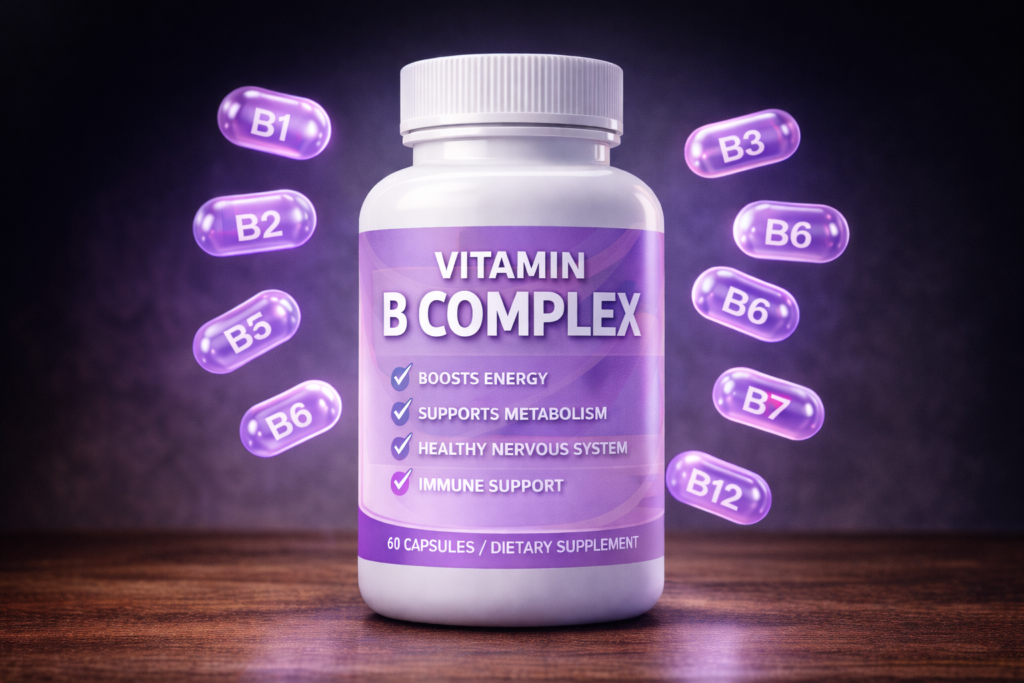
B-Complex Vitamins
B vitamin complex is a group of essential nutrients—including B1, B2, B3, B5, B6, B7, B9, and B12—that play a crucial role in energy production, metabolism, and overall cellular function. For gym-goers, these vitamins are especially important because they help convert the carbohydrates, fats, and proteins from your diet into usable energy, supporting endurance, strength, and recovery. B vitamins also aid in red blood cell formation, which improves oxygen transport to muscles, reducing fatigue during intense workouts. Additionally, they contribute to nervous system health, helping maintain proper muscle coordination and reducing the risk of cramps or fatigue. Supplementing with a B complex can be particularly beneficial for those with high training demands, restrictive diets, or increased stress, ensuring the body has the support it needs to perform and recover optimally.
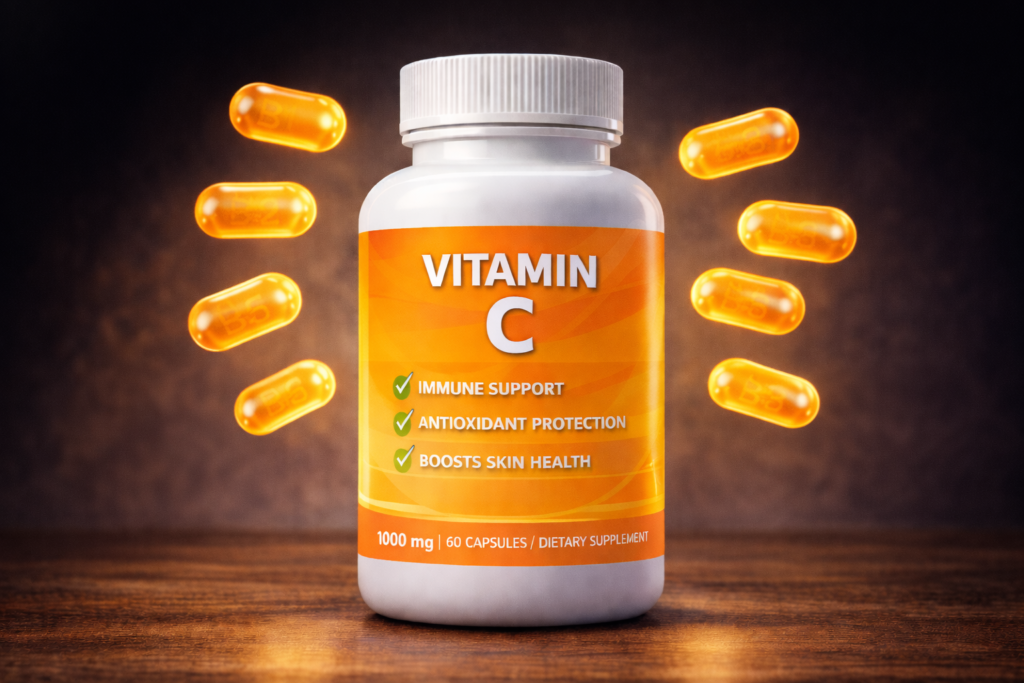
Vitamin C
Vitamin C is a vital nutrient for individuals engaged in regular physical activity due to its role as a potent antioxidant and cofactor in essential physiological processes. By neutralizing free radicals generated during intense exercise, vitamin C helps reduce oxidative stress and inflammation, which can support muscle recovery and minimize exercise-induced damage. It is also critical for the synthesis of collagen, contributing to the strength and integrity of connective tissues such as tendons, ligaments, and cartilage, thereby supporting joint health and reducing injury risk. Additionally, vitamin C plays an important role in immune system function, helping to maintain overall health and allowing consistent training without interruption. Adequate vitamin C intake can therefore be a valuable component of a fitness-oriented nutritional strategy.